Category: Course

  • Lesson 9: Conclusion

    Lesson 9: Conclusion

    Applying Agile to Legal Practices

    Lesson 8: Client-Centric Operations

    Client-Centric Operations: Automate Updates that Delight

    Turn each workflow stage into a client touchpoint. By weaving automated messages into your board, you keep clients informed, set clear expectations, and boost satisfaction—without adding manual work.

    Key Points

    • Expectation Setting
      Fire a welcome email the moment a matter lands in Intake Review; spell out timelines and key policies.

    • In-Flow Updates
      Trigger “Next Steps” messages when a card moves to Strategy Formulation or Evidence Gathering so clients know exactly what’s happening.

    • Proactive Flags
      Auto-notify clients of waiting periods (e.g., court scheduling) or unpaid invoices, reducing status-check calls.

    • Relationship Wins
      Consistent, timely communication builds trust and lets your team focus on legal work instead of chasing emails.


    Start Lesson 9 Now

    Course Curriculum
    Your 9 Agile Lessons

    Lesson 1: How to Tell If Kanban Could Work For You

    In this lesson, you’ll learn how to identify if you should implement the Kanban methodology and how to get started.


    Watch Now

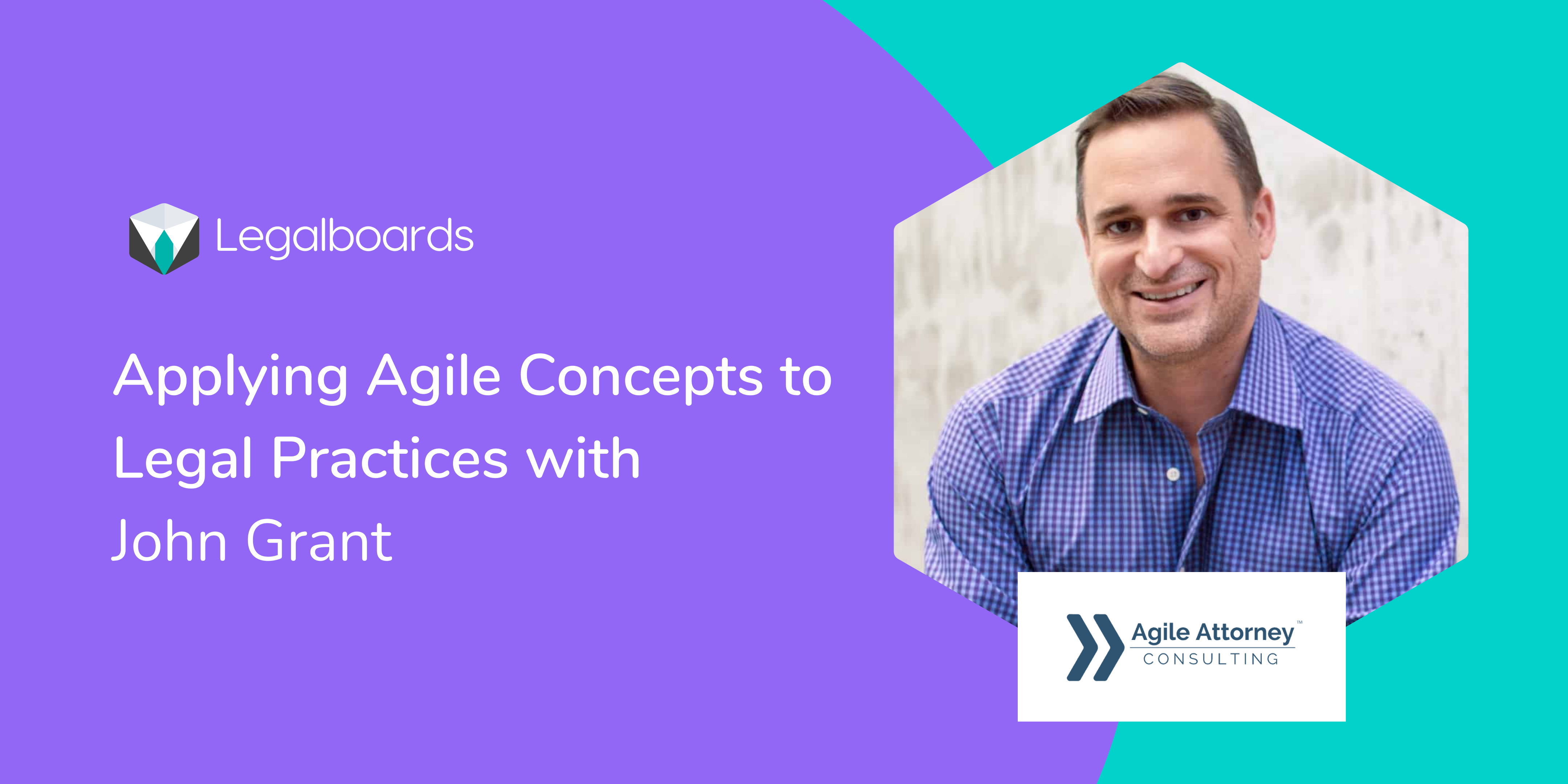
    Lesson 2: Applying Agile to Legal Practices with John Grant

    An in-depth look at integrating Agile methodologies in a legal setting, guided by industry expert John E. Grant.


    Watch Now

    Lesson 3: Getting Started

    Where and how should you start implementing Kanban? Let’s go over how to use what you already do and translate it into Kanban.

    Watch Now

    Lesson 4: Building a Board

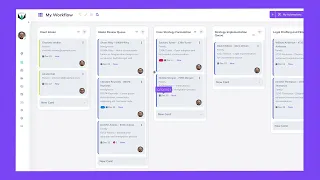
    Let’s walk you through how to build a Kanban board using Legalboards for our example firm.

    Watch Now

    Lesson 5: Boards As An Overview Of Workflows

    Now that we know the framework and how to build a board, let’s step back and examine how to view the work we’ve completed so far.


    Watch Now

    Lesson 6: WIP Limits

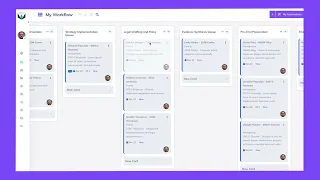
    In this lesson, we’ll dive into one of the concepts that John covered in lesson 2, WIP limits. You’ll learn how to apply them for effective management.

    Watch Now

    Lesson 7: Board Viewing Tips

    Tips about how to best view your board so you can ensure you understand everything at a glance.


    Watch Now

    Lesson 8: Client Centric Operations

    One of the most important benefits of using Kanban is the enhanced client experience. Let’s examine how to optimize your operations for clients.


    Watch Now

    Lesson 9: Conclusion

    In this lesson, we’ll wrap up this course and the Agile concepts covered.


    Watch Now

  • Lesson 8: Client-Centric Operations

    Lesson 8: Client-Centric Operations

    Applying Agile to Legal Practices

    Lesson 8: Client-Centric Operations

    Client-Centric Operations: Automate Updates that Delight

    Turn each workflow stage into a client touchpoint. By weaving automated messages into your board, you keep clients informed, set clear expectations, and boost satisfaction—without adding manual work.

    Key Points

    • Expectation Setting
      Fire a welcome email the moment a matter lands in Intake Review; spell out timelines and key policies.

    • In-Flow Updates
      Trigger “Next Steps” messages when a card moves to Strategy Formulation or Evidence Gathering so clients know exactly what’s happening.

    • Proactive Flags
      Auto-notify clients of waiting periods (e.g., court scheduling) or unpaid invoices, reducing status-check calls.

    • Relationship Wins
      Consistent, timely communication builds trust and lets your team focus on legal work instead of chasing emails.


    Start Lesson 9 Now

    Course Curriculum
    Your 9 Agile Lessons

    Lesson 1: How to Tell If Kanban Could Work For You

    In this lesson, you’ll learn how to identify if you should implement the Kanban methodology and how to get started.


    Watch Now

    Lesson 2: Applying Agile to Legal Practices with John Grant

    An in-depth look at integrating Agile methodologies in a legal setting, guided by industry expert John E. Grant.


    Watch Now

    Lesson 3: Getting Started

    Where and how should you start implementing Kanban? Let’s go over how to use what you already do and translate it into Kanban.


    Watch Now

    Lesson 4: Building a Board

    Let’s walk you through how to build a Kanban board using Legalboards for our example firm.


    Watch Now

    Lesson 5: Boards As An Overview Of Workflows

    Now that we know the framework and how to build a board, let’s step back and examine how to view the work we’ve completed so far.


    Watch Now

    Lesson 6: WIP Limits

    In this lesson, we’ll dive into one of the concepts that John covered in lesson 2, WIP limits. You’ll learn how to apply them for effective management.


    Watch Now

    Lesson 7: Board Viewing Tips

    Tips about how to best view your board so you can ensure you understand everything at a glance.


    Watch Now

    Lesson 8: Client Centric Operations

    One of the most important benefits of using Kanban is the enhanced client experience. Let’s examine how to optimize your operations for clients.


    Watch Now

    Lesson 9: Conclusion

    In this lesson, we’ll wrap up this course and the Agile concepts covered.


    Watch Now

  • Lesson 6: WIP Limits

    Lesson 6: WIP Limits

    Applying Agile to Legal Practices

    Lesson 6: WIP Limits

    WIP Limits: Protect Your Team From Overload

    Work-in-Progress (WIP) limits keep capacity and demand in balance. Learn how to set column caps in Legalboards—so resources are never stretched thinner than your workflow can handle.

    Key Points

    • Right-Size Each Phase
      Example: Three team members in Case Strategy Formulation ⇒ limit the column to 3 cards.

    • Automatic Alerts
      If card count exceeds the limit, Legalboards flags the column—prompting you to finish work before pulling more in.

    • Benefits You’ll Feel
      • Fewer bottlenecks
      • Faster cycle times
      • Sustainable workloads that prevent burnout.


    Start Lesson 7 Now

    Course Curriculum
    Your 9 Agile Lessons

    Lesson 1: How to Tell If Kanban Could Work For You

    In this lesson, you’ll learn how to identify if you should implement the Kanban methodology and how to get started.


    Watch Now

    Lesson 2: Applying Agile to Legal Practices with John Grant

    An in-depth look at integrating Agile methodologies in a legal setting, guided by industry expert John E. Grant.


    Watch Now

    Lesson 3: Getting Started

    Where and how should you start implementing Kanban? Let’s go over how to use what you already do and translate it into Kanban.


    Watch Now

    Lesson 4: Building a Board

    Let’s walk you through how to build a Kanban board using Legalboards for our example firm.


    Watch Now

    Lesson 5: Boards As An Overview Of Workflows

    Now that we know the framework and how to build a board, let’s step back and examine how to view the work we’ve completed so far.


    Watch Now

    Lesson 6: WIP Limits

    In this lesson, we’ll dive into one of the concepts that John covered in lesson 2, WIP limits. You’ll learn how to apply them for effective management.


    Watch Now

    Lesson 7: Board Viewing Tips

    Tips about how to best view your board so you can ensure you understand everything at a glance.


    Watch Now

    Lesson 8: Client Centric Operations

    One of the most important benefits of using Kanban is the enhanced client experience. Let’s examine how to optimize your operations for clients.


    Locked

    Lesson 9: Conclusion

    In this lesson, we’ll wrap up this course and the Agile concepts covered.


    Locked

  • Lesson 7: Board-Viewing Tips​

    Lesson 7: Board-Viewing Tips​

    Applying Agile to Legal Practices

    Lesson 7: Board-Viewing Tips

    Board-Viewing Tips: Prioritize and Automate

    John’s FIFO rule—process cards from left to right, top to bottom—keeps work flowing and clients happy. See how Legalboards reinforces that priority order and adds smart automations to push matters forward without manual nudges.

    Key Points

    • FIFO Focus
      Always start with the oldest card at the top of the left-most active column; finish it before pulling new work.

    • Column Triggers
      In Legalboards, set automated actions (task creation, owner reassignment, client updates) that fire the moment a card changes columns.

    • Visual Cues
      Use color labels to flag urgency, matter type, or billing model for at-a-glance clarity.

    • Alternate Views
      Switch to Task View when you need a cross-board checklist of who’s doing what and what’s due next.


    Start Lesson 8 Now

    Course Curriculum
    Your 9 Agile Lessons

    Lesson 1: How to Tell If Kanban Could Work For You

    In this lesson, you’ll learn how to identify if you should implement the Kanban methodology and how to get started.


    Watch Now

    Lesson 2: Applying Agile to Legal Practices with John Grant

    An in-depth look at integrating Agile methodologies in a legal setting, guided by industry expert John E. Grant.


    Watch Now

    Lesson 3: Getting Started

    Where and how should you start implementing Kanban? Let’s go over how to use what you already do and translate it into Kanban.


    Watch Now

    Lesson 4: Building a Board

    Let’s walk you through how to build a Kanban board using Legalboards for our example firm.


    Watch Now

    Lesson 5: Boards As An Overview Of Workflows

    Now that we know the framework and how to build a board, let’s step back and examine how to view the work we’ve completed so far.


    Watch Now

    Lesson 6: WIP Limits

    In this lesson, we’ll dive into one of the concepts that John covered in lesson 2, WIP limits. You’ll learn how to apply them for effective management.


    Watch Now

    Lesson 7: Board Viewing Tips

    Tips about how to best view your board so you can ensure you understand everything at a glance.


    Watch Now

    Lesson 8: Client Centric Operations

    One of the most important benefits of using Kanban is the enhanced client experience. Let’s examine how to optimize your operations for clients.


    Watch Now

    Lesson 9: Conclusion

    In this lesson, we’ll wrap up this course and the Agile concepts covered.


    Locked

  • Lesson 5: Reading the Board

    Lesson 5: Reading the Board

    Applying Agile to Legal Practices

    Lesson 5: Reading the Board

    Reading the Board: Your Workflow at a Glance

    With the full board in place, this lesson shows you how to use it—spot bottlenecks, balance workloads, and keep matters flowing steadily from left to right.


    What You’ll Learn

    • Column-by-Column Health Check
      Instantly see which phase is overloaded and redirect resources before delays snowball.

    • Client & Task Visibility
      Every card displays the client, matter, and key tasks—no more digging through emails or spreadsheets.

    • Flow Mentality
      Treat each card like a car on a track: your job is to keep it moving smoothly to “Done.”

    • Agile Adjustments
      Use the visual data to tweak WIP limits, add queue buffers, or redeploy staff in real time.


    Start Lesson 6 Now

    Course Curriculum
    Your 9 Agile Lessons

    Lesson 1: How to Tell If Kanban Could Work For You

    In this lesson, you’ll learn how to identify if you should implement the Kanban methodology and how to get started.


    Watch Now

    Lesson 2: Applying Agile to Legal Practices with John Grant

    An in-depth look at integrating Agile methodologies in a legal setting, guided by industry expert John E. Grant.


    Watch Now

    Lesson 3: Getting Started

    Where and how should you start implementing Kanban? Let’s go over how to use what you already do and translate it into Kanban.


    Watch Now

    Lesson 4: Building a Board

    Let’s walk you through how to build a Kanban board using Legalboards for our example firm.


    Watch Now

    Lesson 5: Boards As An Overview Of Workflows

    Now that we know the framework and how to build a board, let’s step back and examine how to view the work we’ve completed so far.


    Watch Now

    Lesson 6: WIP Limits

    In this lesson, we’ll dive into one of the concepts that John covered in lesson 2, WIP limits. You’ll learn how to apply them for effective management.


    Watch Now

    Lesson 7: Board Viewing Tips

    Tips about how to best view your board so you can ensure you understand everything at a glance.


    Locked

    Lesson 8: Client Centric Operations

    One of the most important benefits of using Kanban is the enhanced client experience. Let’s examine how to optimize your operations for clients.


    Locked

    Lesson 9: Conclusion

    In this lesson, we’ll wrap up this course and the Agile concepts covered.


    Locked


    Watch Now

  • Lesson 4: Building a Full Kanban Board

    Lesson 4: Building a Full Kanban Board

    Applying Agile to Legal Practices

    Lesson 4: Building a Full Kanban Board

    Building a Full Kanban Board: The Amy Paul Law Firm Example

    Watch step-by-step as we turn the Amy Paul Law Firm’s real-world workflow into a complete Kanban board—using queues to separate waiting from working and ensuring every matter advances only when resources are truly available.


    Board Structure Covered in the Video

    1. Client Intake – first meetings, pricing scope, due-diligence, engagement letter.

    2. Intake Review Queue – holding area until initial case assessment is ready.

    3. Case Strategy Formulation – fact review, issue spotting, strategic plan.

    4. Strategy Implementation Queue – cases pause while resources (research, counseling) are assigned.

    5. Legal Drafting & Filing – active drafting of pleadings and key documents.

    6. Evidence Synthesis Queue – waiting for depositions, interrogatories, records.

    7. Pre-Trial Preparation – final motions, exhibit lists, witness prep.

    8. Trial Queue – cases “trial-ready” but awaiting court schedule or last checks.

    9. Trial / Courtroom Proceedings – live courtroom activity tracked.

    10. Verdict Processing Queue – hold for appeals, judgment enforcement.

    11. Case Conclusion – administrative wrap-up, client file updates, close-out tasks.


    Key Takeaways

    • Use Queues Generously – separate “waiting” columns prevent hidden bottlenecks and protect capacity.

    • Map Every Handoff – a new column for each resource transition brings delays into the open.

    • Workload Safety Net – progress matters only when the next stage has bandwidth, avoiding overwhelm.

    • Visual Clarity – the full board gives instant insight into where every case sits—from intake to conclusion.


    Start Lesson 5 Now

    Course Curriculum
    Your 9 Agile Lessons

    Lesson 1: How to Tell If Kanban Could Work For You

    In this lesson, you’ll learn how to identify if you should implement the Kanban methodology and how to get started.


    Watch Now

    Lesson 2: Applying Agile to Legal Practices with John Grant

    An in-depth look at integrating Agile methodologies in a legal setting, guided by industry expert John E. Grant.


    Watch Now

    Lesson 3: Getting Started

    Where and how should you start implementing Kanban? Let’s go over how to use what you already do and translate it into Kanban.


    Watch Now

    Lesson 4: Building a Board

    Let’s walk you through how to build a Kanban board using Legalboards for our example firm.


    Watch Now

    Lesson 5: Boards As An Overview Of Workflows

    Now that we know the framework and how to build a board, let’s step back and examine how to view the work we’ve completed so far.


    Watch Now

    Lesson 6: WIP Limits

    In this lesson, we’ll dive into one of the concepts that John covered in lesson 2, WIP limits. You’ll learn how to apply them for effective management.


    Locked

    Lesson 7: Board Viewing Tips

    Tips about how to best view your board so you can ensure you understand everything at a glance.


    Locked

    Lesson 8: Client Centric Operations

    One of the most important benefits of using Kanban is the enhanced client experience. Let’s examine how to optimize your operations for clients.


    Locked

    Lesson 9: Conclusion

    In this lesson, we’ll wrap up this course and the Agile concepts covered.


    Locked

  • Lesson 3: Build Your First Kanban Board in Legalboards

    Lesson 3: Build Your First Kanban Board in Legalboards

    Applying Agile to Legal Practices

    Lesson 3: Build Your First Kanban Board in Legalboards

    Getting Started: Build Your First Kanban Board in Legalboards

    John explained the theory—now see it in action. In this hands-on lesson you’ll create a brand-new board that mirrors the workflow your firm already uses. No process overhaul required; you’ll simply translate what’s in your head (or spreadsheet) into visual columns inside Legalboards.


    Key Points & Steps

    1. Begin with What You Have

      • Map today’s real-world stages; don’t design an idealized future process yet.

    2. Board = Canvas

      • Each column represents one existing stage (e.g., Intake → Drafting → Client Review → Filed).

    3. Name Columns in Seconds

      • Live demo shows creating, renaming, and re-ordering columns to match your flow.

    4. Template vs. From-Scratch

      • Templates save time, but building from zero cements understanding—this lesson walks through the full blank-canvas approach.

    5. Immediate Payoff

      • Once stages are visible, bottlenecks reveal themselves and future WIP limits become obvious.


    Start Lesson 4 Now

    Course Curriculum
    Your 9 Agile Lessons

    Lesson 1: How to Tell If Kanban Could Work For You

    In this lesson, you’ll learn how to identify if you should implement the Kanban methodology and how to get started.


    Watch Now

    Lesson 2: Applying Agile to Legal Practices with John Grant

    An in-depth look at integrating Agile methodologies in a legal setting, guided by industry expert John E. Grant.


    Watch Now

    Lesson 3: Getting Started

    Where and how should you start implementing Kanban? Let’s go over how to use what you already do and translate it into Kanban.


    Watch Now

    Lesson 4: Building a Board

    Let’s walk you through how to build a Kanban board using Legalboards for our example firm.


    Watch Now

    Lesson 5: Boards As An Overview Of Workflows

    Now that we know the framework and how to build a board, let’s step back and examine how to view the work we’ve completed so far.


    Locked

    Lesson 6: WIP Limits

    In this lesson, we’ll dive into one of the concepts that John covered in lesson 2, WIP limits. You’ll learn how to apply them for effective management.


    Locked

    Lesson 7: Board Viewing Tips

    Tips about how to best view your board so you can ensure you understand everything at a glance.


    Locked

    Lesson 8: Client Centric Operations

    One of the most important benefits of using Kanban is the enhanced client experience. Let’s examine how to optimize your operations for clients.


    Locked

    Lesson 9: Conclusion

    In this lesson, we’ll wrap up this course and the Agile concepts covered.


    Locked

  • Lesson 2: Kanban Deep-Dive with John Grant

    Lesson 2: Kanban Deep-Dive with John Grant

    Applying Agile to Legal Practices

    Lesson 2: Kanban Deep-Dive with John Grant

    Kanban Deep-Dive: Agile Practices with John Grant

    In this 40-minute masterclass, John Grant moves beyond the basics of a Kanban board to unpack the full Kanban Methodology—principles, practices, and mind-set shifts that help law firms streamline work, reduce stress, and communicate value to clients.

    Key Points at a Glance

    • See Work as Flow
      Understand suppliers → inputs → process → outputs → customers (SIPOC) so every matter actually moves.

    • Six Core Kanban Practices

      1. Make work visible

      2. Limit work-in-progress (WIP)

      3. Measure & manage flow

      4. Make policies explicit

      5. Establish feedback loops

      6. Evolve through small experiments

    • Design Boards Around Handoffs
      Create a new column for each person or resource transition to expose hidden delays.

    • WIP Limits & Monotasking
      “Start less to finish more”—cut multitasking costs and close files faster.

    • Explicit Policies that Stick
      ▸ FIFO as the default priority rule
      ▸ Clear exceptions (e.g., safety issues)
      ▸ Definitions of Ready and Done to slash rework.

    • Agile Cadences for Legal Teams
      Weekly planning + review, daily 90-second stand-ups, and “5 % time” reserved for continuous improvement.


    Start Lesson 3 Now

    Course Curriculum
    Your 9 Agile Lessons

    Lesson 1: How to Tell If Kanban Could Work For You

    In this lesson, you’ll learn how to identify if you should implement the Kanban methodology and how to get started.


    Watch Now

    Lesson 2: Applying Agile to Legal Practices with John Grant

    An in-depth look at integrating Agile methodologies in a legal setting, guided by industry expert John E. Grant.


    Watch Now

    Lesson 3: Getting Started

    Where and how should you start implementing Kanban? Let’s go over how to use what you already do and translate it into Kanban.


    Watch Now

    Lesson 4: Building a Board

    Let’s walk you through how to build a Kanban board using Legalboards for our example firm.


    Locked

    Lesson 5: Boards As An Overview Of Workflows

    Now that we know the framework and how to build a board, let’s step back and examine how to view the work we’ve completed so far.


    Locked

    Lesson 6: WIP Limits

    In this lesson, we’ll dive into one of the concepts that John covered in lesson 2, WIP limits. You’ll learn how to apply them for effective management.


    Locked

    Lesson 7: Board Viewing Tips

    Tips about how to best view your board so you can ensure you understand everything at a glance.


    Locked

    Lesson 8: Client Centric Operations

    One of the most important benefits of using Kanban is the enhanced client experience. Let’s examine how to optimize your operations for clients.


    Locked

    Lesson 9: Conclusion

    In this lesson, we’ll wrap up this course and the Agile concepts covered.


    Locked

  • Lesson 1: How to Tell If Kanban Could Work for You​

    Lesson 1: How to Tell If Kanban Could Work for You​

    Applying Agile to Legal Practices

    Lesson 1: How to Tell If Kanban Could Work for You

    Is Kanban Right for Your Firm?

    In this quick, 6-minute overview you’ll discover how a simple three-column Kanban board can bring crystal-clear visibility to even the busiest practice—and whether your firm is showing the classic “ready for Kanban” signals.


    Key Points at a Glance

    • Transparency on Demand – See every matter’s status at a glance, from “To Do” to “Done.”

    • Five Red-Flag Symptoms

      1. Growth that still depends heavily on partners

      2. Endless “What’s next?” interruptions from staff

      3. Team always busy, yet progress feels invisible

      4. Non-billable work eating >10 % of the day

      5. Flat-fee matters where efficiency drives profit

    • Proven Benefits – Smaller non-billable load, better client comms, and stress-free task prioritization.

    • Next Step – If those red flags sound familiar, Kanban may be the productivity win your firm needs.


    Start Lesson 2 Now

    Course Curriculum
    Your 9 Agile Lessons

    Lesson 1: How to Tell If Kanban Could Work For You

    In this lesson, you’ll learn how to identify if you should implement the Kanban methodology and how to get started.


    Watch Now

    Lesson 2: Applying Agile to Legal Practices with John Grant

    An in-depth look at integrating Agile methodologies in a legal setting, guided by industry expert John E. Grant.


    Watch Now

    Lesson 3: Getting Started

    Where and how should you start implementing Kanban? Let’s go over how to use what you already do and translate it into Kanban.


    Locked

    Lesson 4: Building a Board

    Let’s walk you through how to build a Kanban board using Legalboards for our example firm.


    Locked

    Lesson 5: Boards As An Overview Of Workflows

    Now that we know the framework and how to build a board, let’s step back and examine how to view the work we’ve completed so far.


    Locked

    Lesson 6: WIP Limits

    In this lesson, we’ll dive into one of the concepts that John covered in lesson 2, WIP limits. You’ll learn how to apply them for effective management.


    Locked

    Lesson 7: Board Viewing Tips

    Tips about how to best view your board so you can ensure you understand everything at a glance.


    Locked

    Lesson 8: Client Centric Operations

    One of the most important benefits of using Kanban is the enhanced client experience. Let’s examine how to optimize your operations for clients.


    Locked

    Lesson 9: Conclusion

    In this lesson, we’ll wrap up this course and the Agile concepts covered.


    Locked

  • Success – Applying Agile to Legal Practices

    Success – Applying Agile to Legal Practices

    Legalboards Academy – Enrollment Confirmed

    You’re Enrolled in Applying Agile to Legal Practices with John Grant

    Your access link and Kanban Quick-Start Checklist are on their way to your inbox—click below to dive straight into Lesson 1.

    Enrollment confirmed.

    We’ve just sent an email to your inbox with:

    • Your personal course-access link

    • A bonus Kanban Quick-Start Checklist (PDF)

    If you don’t want to wait, click the button below to jump straight into Lesson 1 right now.


    Download Your Checklist PDF


    Start Lesson 1 Now

    Course Curriculum
    Your 9 Agile Lessons

    Lesson 1: How to Tell If Kanban Could Work For You

    In this lesson, you’ll learn how to identify if you should implement the Kanban methodology and how to get started.


    Watch Now

    Lesson 2: Applying Agile to Legal Practices with John Grant

    An in-depth look at integrating Agile methodologies in a legal setting, guided by industry expert John E. Grant.


    Locked

    Lesson 3: Getting Started

    Where and how should you start implementing Kanban? Let’s go over how to use what you already do and translate it into Kanban.


    Locked

    Lesson 4: Building a Board

    Let’s walk you through how to build a Kanban board using Legalboards for our example firm.


    Locked

    Lesson 5: Boards As An Overview Of Workflows

    Now that we know the framework and how to build a board, let’s step back and examine how to view the work we’ve completed so far.


    Locked

    Lesson 6: WIP Limits

    In this lesson, we’ll dive into one of the concepts that John covered in lesson 2, WIP limits. You’ll learn how to apply them for effective management.


    Locked

    Lesson 7: Board Viewing Tips

    Tips about how to best view your board so you can ensure you understand everything at a glance.


    Locked

    Lesson 8: Client Centric Operations

    One of the most important benefits of using Kanban is the enhanced client experience. Let’s examine how to optimize your operations for clients.


    Locked

    Lesson 9: Conclusion

    In this lesson, we’ll wrap up this course and the Agile concepts covered.


    Locked

  • Applying Agile to Legal Practices

    Applying Agile to Legal Practices

    Legalboards Academy

    Applying Agile to Legal Practices with John Grant

    Master Agile for law firms with John Grant. Streamline workflows, reduce overhead, and enhance collaboration in this free video course.

    Course Overview

    Transform your law firm’s operations with Kanban and Agile methodologies taught by legal innovator John Grant. In this free course, you’ll learn:

    • How Kanban evolved and why it’s ideal for legal teams

    • Practical ways to visualize and manage complex caseloads

    • Proven strategies to reduce non-billable work and client wait times

    Enroll now to discover how Legalboards helps bring these principles to life, saving time and boosting firm productivity.

    What You’ll Gain from This Course

    Sharper Focus

     Learn how to visualize every matter in a single glance, eliminate “What’s next?” guesswork, and channel your daily attention toward the tasks that actually move cases forward.

    Team Collaboration

    Turn scattered emails and status meetings into a shared Kanban board where attorneys, paralegals, and support staff stay aligned, share updates in real time, and hand off work without bottlenecks.

    Greater Efficiency

    Apply proven Agile principles to cut non-billable hours, automate repeat tasks, and finish matters faster—freeing up time for high-value work and boosting firm profitability.

    Ready to Work Smarter? Enroll Free

    Enter your name and email to unlock all nine Agile-for-Law lessons, worksheets, and Q&A replays. No spam—just practical tactics you can use today.

    Course Curriculum
    Your 9 Agile Lessons

    Lesson 1: How to Tell If Kanban Could Work For You

    In this lesson, you’ll learn how to identify if you should implement the Kanban methodology and how to get started.

    Lesson 2: Applying Agile to Legal Practices with John Grant

    An in-depth look at integrating Agile methodologies in a legal setting, guided by industry expert John E. Grant.

    Lesson 3: Getting Started

    Where and how should you start implementing Kanban? Let’s go over how to use what you already do and translate it into Kanban.

    Lesson 4: Building a Board

    Let’s walk you through how to build a Kanban board using Legalboards for our example firm.

    Lesson 5: Boards As An Overview Of Workflows

    Now that we know the framework and how to build a board, let’s step back and examine how to view the work we’ve completed so far.

    Lesson 6: WIP Limits

    In this lesson, we’ll dive into one of the concepts that John covered in lesson 2, WIP limits. You’ll learn how to apply them for effective management.

    Lesson 7: Board Viewing Tips

    Tips about how to best view your board so you can ensure you understand everything at a glance.

    Lesson 8: Client Centric Operations

    One of the most important benefits of using Kanban is the enhanced client experience. Let’s examine how to optimize your operations for clients.

    Lesson 9: Conclusion

    In this lesson, we’ll wrap up this course and the Agile concepts covered.
    Enroll Now!

    Legalboards: Resource Hub